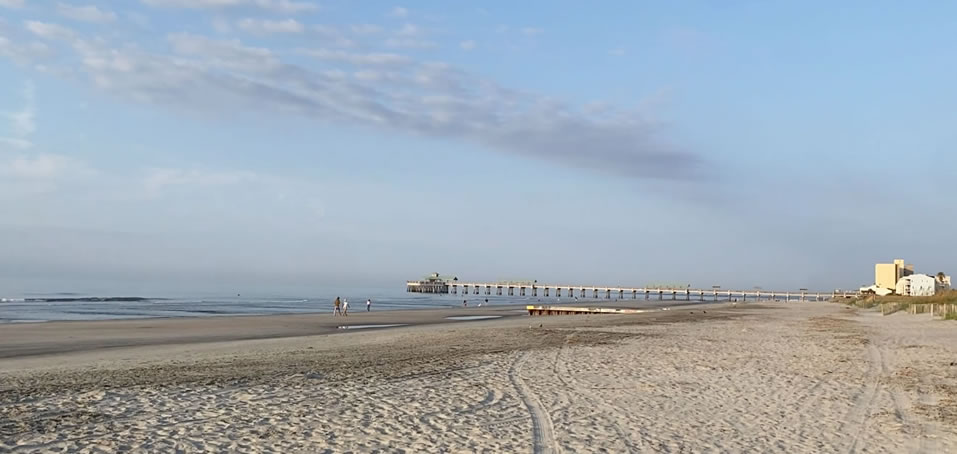
Protecting our shoreline isn’t just about sand; it’s about preserving our greatest asset. The health of our dunes and beaches safeguards our homes, our economy, and the very character of our island.
Folly Beach’s shoreline protection program is managed through a 50-year Local Cooperation Agreement with the U.S. Army Corps of Engineers. This partnership keeps Folly eligible for federally funded beach renourishment projects that rebuild dunes and reduce storm damage.
Under the agreement, the Army Corps leads engineering, permitting, and most construction costs. The City maintains public beach access and easements, while the State provides regulatory oversight through SCDHEC-OCRM. The current project, completed in 2024, cost about $18 million, fully funded by the federal government. Future projects typically follow an 85% federal and 15% local-state cost-share model, depending on funding cycles and environmental conditions.
Why the 25-Foot Setback Matters
Federal participation in beach renourishment comes with clear conditions. The U.S. Army Corps of Engineers requires that no new hard structures—such as seawalls or bulkheads—be built too close to the active dune system or the “Perpetual Easement Line.”
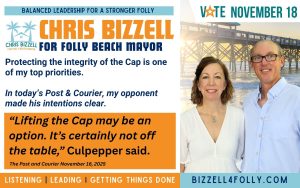
Some have suggested reducing the 25-foot setback, but doing so could place the City out of compliance with the terms of its 50-year agreement with the Army Corps. The 25-foot setback is established in the City’s zoning ordinances and was intentionally designed to align with and protect the federal easement area, providing the space the Corps needs to move equipment, place sand, and maintain the engineered dune system safely and effectively.
This locally adopted standard is what keeps Folly in full compliance with the Corps’ access and maintenance requirements. Without it, the City could risk losing eligibility for future renourishment funding—potentially leaving taxpayers responsible for the enormous cost of protecting and rebuilding the beach.
Maintaining the 25-foot setback safeguards Folly’s partnership with the Corps, ensures federal access for future projects, and protects the millions of dollars in investment that keep our shoreline healthy. Losing that compliance would mean losing one of the strongest defenses our island has against erosion and storm damage.
Keeping Folly’s Beach Strong for Generations to Come
Folly Beach’s long-term shoreline resilience depends on its 50-year agreement with the U.S. Army Corps of Engineers. The 25-foot setback is not just a zoning measure—it’s a compliance safeguard that keeps Folly qualified for millions in future renourishment support. Without it, federal participation could be delayed or lost, leaving the community solely responsible for the high cost of maintaining the beach.
As mayor, I will make beach health a top priority by strengthening our partnership with the Army Corps, enforcing the setback rules that keep us eligible for federal support, and planning ahead for the next 50 years of coastal resilience.
A healthy beach protects everything we love about Folly — and I’ll make sure it stays that way.