Since my opponent chose not to participate in another candidate forum, I want to take this opportunity to present the facts clearly. Folly Beach deserves fact-based, honest discussion on the issues that impact our community most, especially when it comes to the Short-Term Rental Cap.
Short-term rentals (STRs) have been part of Folly Beach for decades, and when managed responsibly, they bring visitors who love our island as much as we do. But like everything in a small community, balance matters. That’s what the STR Cap is all about: keeping Folly livable for residents while still welcoming guests who support our local businesses.
Why the Cap Matters
Let’s be clear, the STR issue isn’t whether they should exist, it’s how many our neighborhoods can reasonably support without losing what makes Folly, Folly.
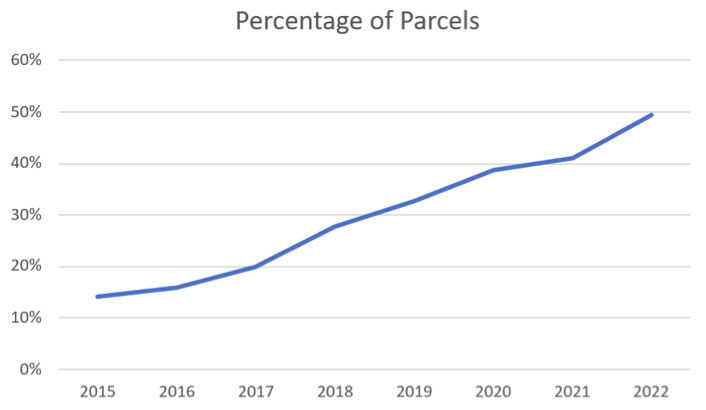
When the Cap was passed, nearly half of all residential dwellings on the island, 49 percent, were being used as short-term rentals. From 2015 to 2022, STRs had quadrupled, growing from 329 to 1,196. Without a cap, we were on track for 60 to 70 percent of our housing to become short-term rentals. That would have turned Folly into a tourist district, not a community.
Our Cap allows one-third of all residential homes to operate as STRs, one of the most generous limits in the country. By comparison:
• Charleston, Sullivan’s Island, and Myrtle Beach completely ban whole-house STRs in residential zones.
• Mt. Pleasant limits them to just 1 percent of housing.
• Kiawah Island allows 20 percent.
Folly Beach’s approach is a fair, middle-ground compromise, not an extreme.
A Process Rooted in Study and Deliberation
The Short-Term Rental Cap was not a rushed decision. It was the result of years of public input, research, and careful planning by city leaders, committees, and residents working together to find balance.
Key steps in the process:
• May 2021: The City proposed a moratorium and created the Short-Term Rental Committee to study STR impacts.
• Mid–Late 2021: The committee met regularly to review data, zoning, fee structures, and peer community examples.
• January 2022: The committee finalized recommendations for the Mayor and City Council.
• Spring–Summer 2022: City Council held work sessions, introduced ordinances, and invited public feedback.
• February 2023: Voters approved the Cap through a public referendum.
• Late 2023–Early 2024: The City continued refining and reviewing technical adjustments to ensure fairness and clarity.
This timeline shows that the Cap was thoughtfully developed, publicly vetted, and democratically approved.
How the 800 Number Was Determined
There’s been some confusion about where the 800-license cap came from, so it’s important to set the record straight. The number was not arbitrary.
According to city staff and the data reviewed during the development of the ordinance, the 800 figure was based on the highest number of Short-Term Rental licenses ever recorded on Folly Beach. In 2021, that number represented the peak of STR activity, supported by five years of historical data compiled by the City. The year prior was below 800, and earlier years showed even fewer STRs.
In other words, the cap was set using real data and documented growth trends, not guesswork.
This number reflects a data-driven approach by the City to preserve the livability of residential neighborhoods while maintaining space for a healthy rental market. It’s one more example of how the Cap was built on facts, research, and balance.
Open to Ideas, Committed to Balance
I’m always open to listening and finding ways to make good policies like the STR Cap even better. I supported changes to allow licenses in cases of inheritance and medical hardship, meaningful updates that improved fairness without undermining the Cap’s purpose. My commitment remains the same: protect livability, support residents, and make smart adjustments when they strengthen our community.
The Short-Term Rental Cap isn’t about limiting opportunity; it’s about protecting what makes Folly Beach special. As Mayor, I’ll continue making decisions based on facts and fairness, not assumptions. Leadership that listens, leads with balance, and protects our island for generations to come.